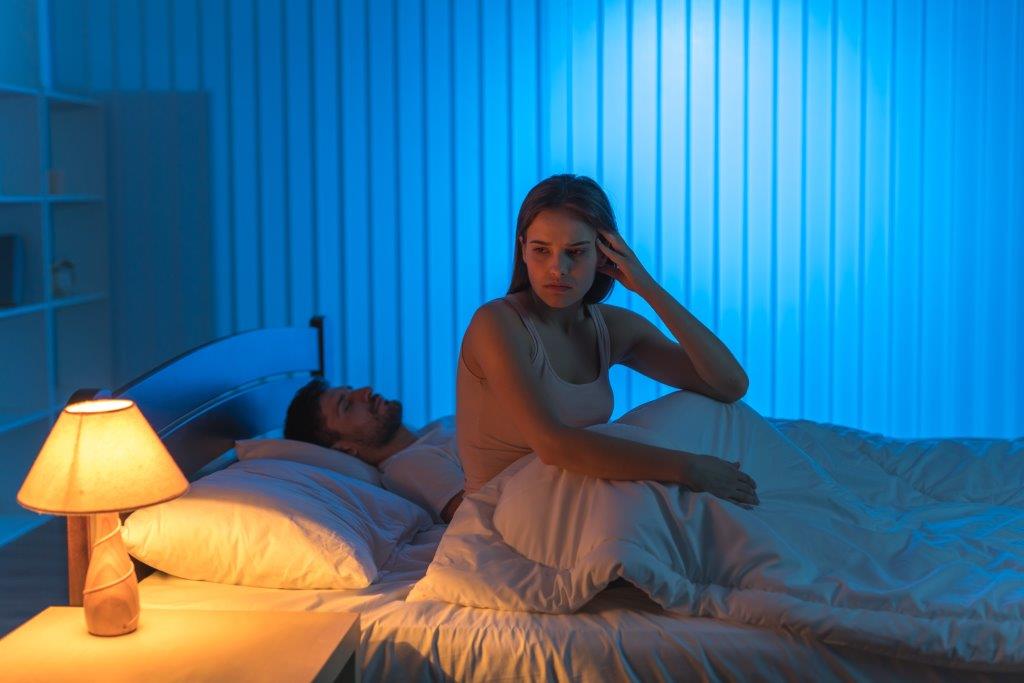
There are various different types of insomnia: problems falling asleep, problems sleeping through the night and early waking. We speak of non-restorative sleep when there are no prolonged periods of wakefulness during the night, but fatigue or sleepiness nevertheless remains in the morning after getting up. When sufferers lie awake in bed for many hours, circular thinking occurs, which is also described as a “thought carousel.” Often the thoughts do not even include specific worries, but just ordinary memories from the previous day. Sometimes patients are troubled by very specific problems that could not be solved during the day, and in the case of major psychosocial problems, thinking about these can prevent them from falling asleep. Patients are very worried that they will not be able to perform well the next day, which objectively is usually not the case at all. Despite subjective fatigue, actual performance is not affected at all. Severe sleep disorders lead to fatigue during the day as well as concentration problems and limit quality of life.
Common causes of insomnia are an irregular sleep-wake cycle, lying down for too long during the day, or a stressful psychosocial situation such as an upcoming exam, a death, a divorce, or an impending job loss. Consuming nicotine, alcohol, caffeine or various medications can also lead to insomnia.
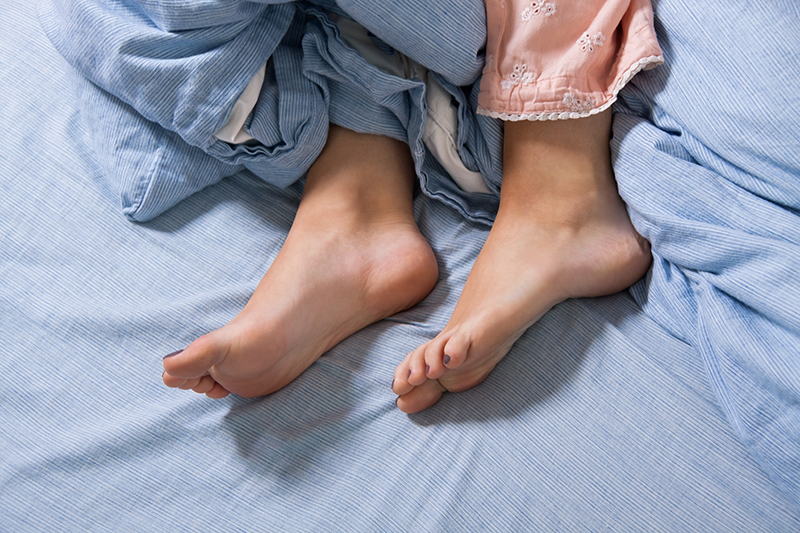
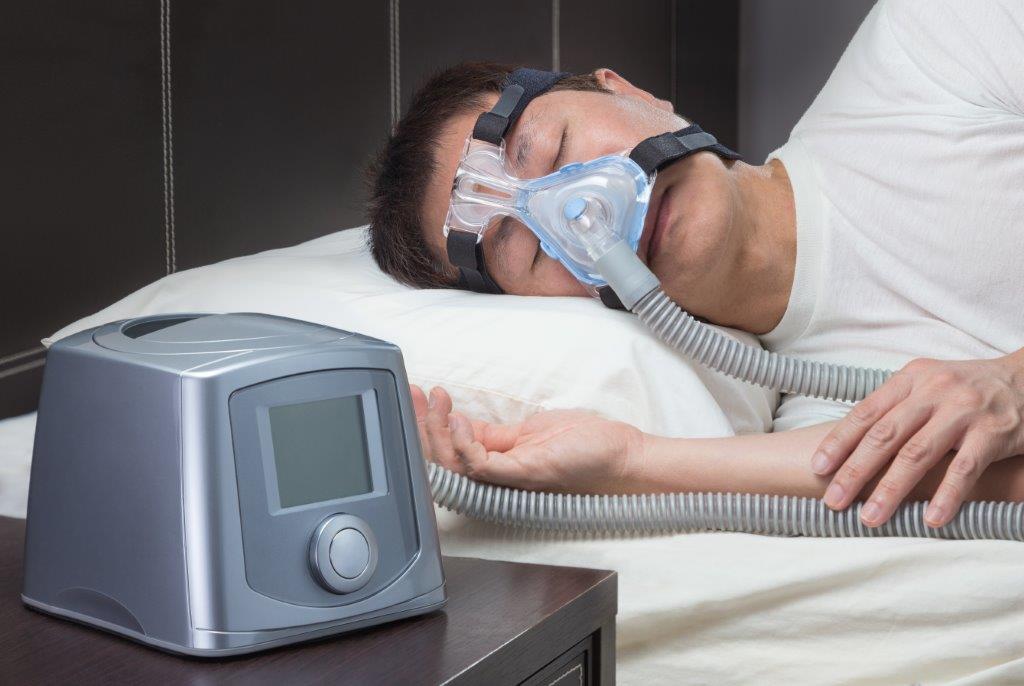
A common form of insomnia is learned insomnia, which can be described as a “stupid habit”, something that a person learned a long time ago for an understandable reason (a newborn baby, exam stress, etc.) but can’t get rid of, even though the cause is long gone. One of the most common organic causes is Restless Legs Syndrome, but sleep-related movement disorders, muscle spasms, behavioral disorders or sleep apnea syndrome can also lead to insomnia.
The most common disease-related cause of insomnia is depression or anxiety disorder, which typically lead to early waking. Many neurological diseases such as dementia, Parkinson’s disease or epilepsy are associated with sleep-wake disturbances.
During puberty, a sleep-wake rhythm disorder often occurs because the internal clock is shifted backwards for biological and social reasons, making it impossible to fall asleep at the early time demanded by society, which also leads to more difficulty waking up. This is referred to as sleep phase shift syndrome. The reverse happens in healthy older persons, in the form of age-related early waking.