
Symptoms
- Steady decline in short-term memory (memory impairment) and
ability to concentrate. - Increasing problems with orientation (e.g. what day it is, how to get to a
place). - Declining ability to speak and do calculations
- Losing things more and more frequently
- Difficulty remembering new information, numbers, names.
Memory impairment - Additional mood or personality changes are observed (restlessness
or listlessness, apathy, anxiety, aggression or depression). In this respect, dementia can also be similar to Alzheimer’s disease.
Complaints/Symptoms
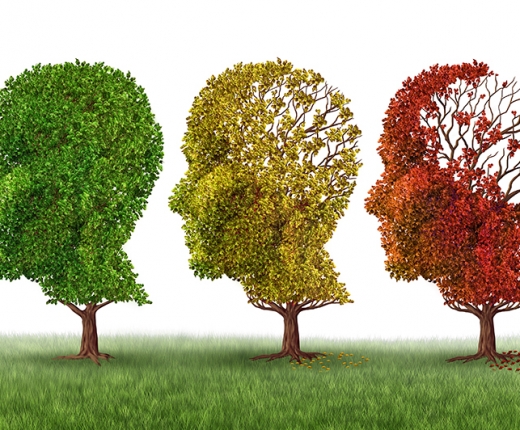





Causes
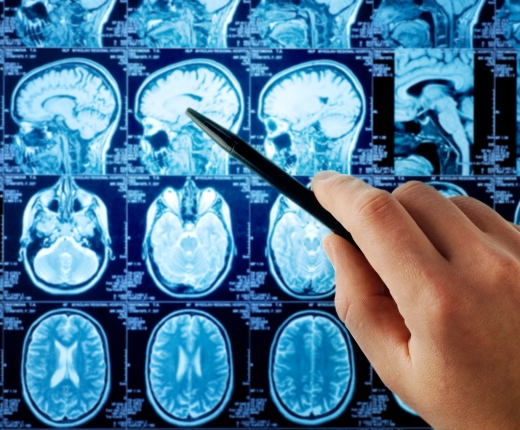
The changes in the brain that cause dementia can be caused by various physical illnesses, including circulatory disorders, certain thyroid diseases, chronic poisoning, for example due to excessive alcohol or drug consumption. Brain tumors can also affect the activity of the brain and lead to dementia.
Doctors often speak of a so-called multifactorial event, i.e. a variety of causes for the development of dementia. Widespread conditions such as high blood pressure or diabetes, for example, can negatively influence an existing dementia or cause the initial damage to blood vessels in the brain.
What we can offer


Treatment/progression
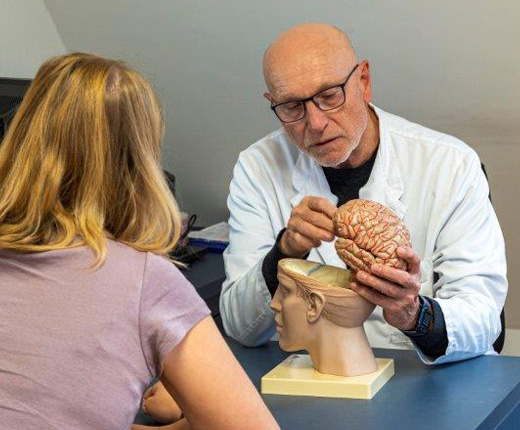
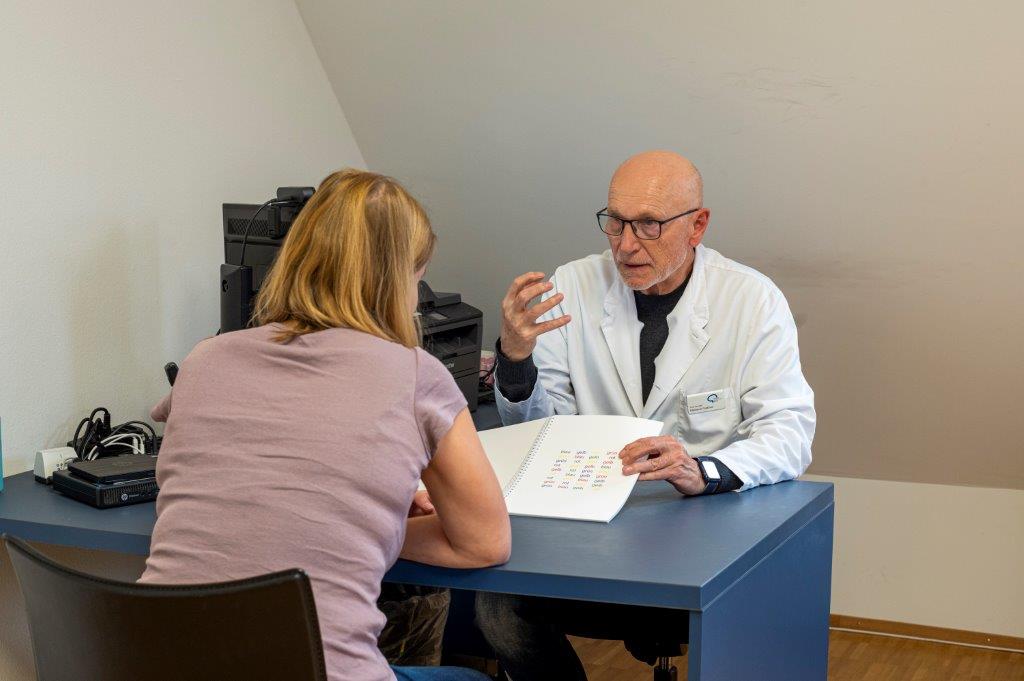
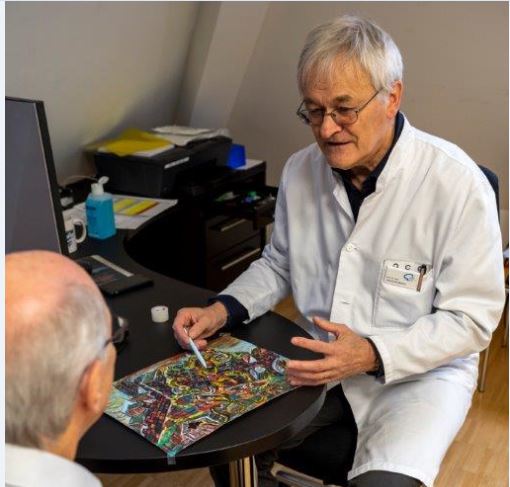
The earlier dementia is diagnosed, the better the chances of at least delaying the progression of the disease. Medications play an important role in the treatment of dementia. Some of these – known as antidementia drugs – are used to improve or stabilize mental performance and help patients cope with everyday life. Other agents can help alleviate accompanying symptoms such as depression or aggression, especially neuroleptics and antidepressants. Treatment also includes mental activation of affected individuals through brain performance training, with the aim of slowing the progression of the disease. Since dementia progresses continuously, the treatment is viewed as successful if the condition does not deteriorate.