Symptoms
Most commonly seen at the beginning:
- Arm or leg weakness
- Local or generalized muscular dystrophy; depending on the individual case, the following symptoms may also occur early on:
- Weight loss due to muscular dystrophy
- Visible muscle twitching
- Stiffness
- Muscle spasms
Complaints/Symptoms
Causes
Amyotrophic lateral sclerosis (ALS) is a serious and unfortunately still incurable disease. It primarily affects the motor nerve cells in the brain and spinal cord, which are responsible for conscious control of movement. There are several theories on how it develops, but none are completely proven.
A viral infection as the cause has not yet been confirmed. A malfunction of the immune system or hereditary factors may also play a role. In any case, increased amounts of the messenger substance glutamate are detected in the diseased motor nerves.
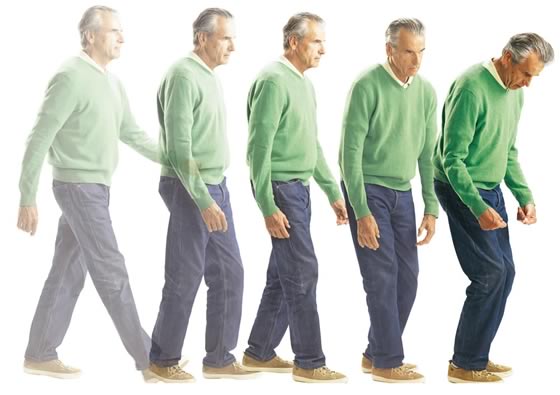
The deterioration of nerve cells is not directly perceptible. However, in the course of the disease, there are visible and perceptible sequelae in the muscle fibers, often manifested as muscle twitching, muscle cramps and, in parallel with these, muscle weakness and muscular dystrophy. Typically, clumsiness of the hands or unsteadiness of gait or stiffness (“spasticity”) of the legs is noticeable at the beginning. Less frequently than symptoms in the arms or legs, ALS begins with speech or swallowing disorders.
ALS can progress over a few months to complete paralysis, but the progression can take many years. Weakening of the respiratory muscles or even the swallowing muscles can become a life-threatening problem, especially in advanced stages of the disease. Eye, bladder and intestinal muscles are hardly affected at all. Mental abilities, hearing, vision, taste and sensation are also unaffected.
What we can offer
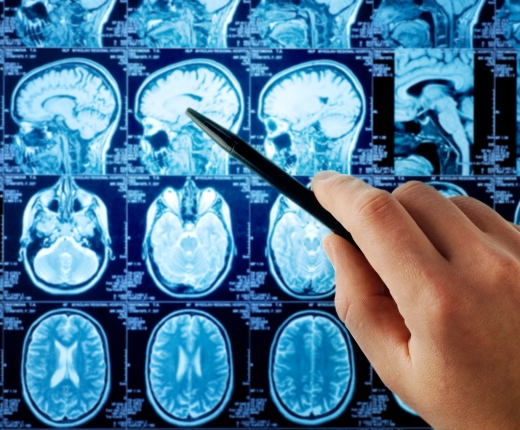
One of the aims is to clarify whether there may be another disease that can have similar symptoms, such as mechanical damage to the spinal cord, a disease of the peripheral nerves (“motor polyneuropathy”), certain forms of multiple sclerosis, neurological sequelae of tumors or rare metabolic diseases.
Treatment/progression
Nevertheless, there are still treatment options for ALS. Drugs such as riluzole aim at slowing down the progression of the disease (“neuroprotective therapy”). On the other hand, relief of symptoms (“symptomatic therapy”) can be achieved with the help of regular physiotherapy. Occupational therapy, speech therapy or special methods of respiratory training can also be helpful. In later stages, additional aids including mechanical support with ventilation may become necessary. It is also particularly important to provide psychological support for those affected and their relatives.