Symptoms
Especially in children or adolescents but also in adults:
Increasing musle weakness
Muscular dystrophy
Other diseases occurring at the same time, such as changes in the skeleton or heart muscle.
Sometimes there is also an apparent increase in muscle mass, for example of the calves (due to conversion of muscles into fat and connective tissue)

Causes
Muscular dystrophies are hereditary muscle diseases that lead to increasing muscle weakness due to progressive muscle wasting. This is caused by changes in or absence of certain endogenous proteins that are part of muscle cells. Today, many different forms of muscular dystrophy are known. The two most common forms, Duchenne-type and Becker-Kiener-type muscular dystrophy, usually begin in the pelvic girdle and thigh muscles. Duchenne-type muscular dystrophy begins in infancy and progresses rapidly. Along with the muscular dystrophy, there are also very painful joint and bone deformities. Later the heart and respiratory muscles are also affected, which is why very many patients die in early adulthood.
Becker-Kiener type muscular dystrophy progresses more slowly and less aggressively. It also usually begins in the pelvic and thigh muscles, but only between the ages of 7 and 20. Many patients can still walk independently for a long time despite the symptoms. Certain forms of muscular dystrophy only appear in old age. Neurologists have experience in the diagnosis and treatment of muscular dystrophies, know the treatment options and are familiar with the concerns and needs of those affected. Their concerns can be addressed at the neuromuscular disease consultation.
What we can offer
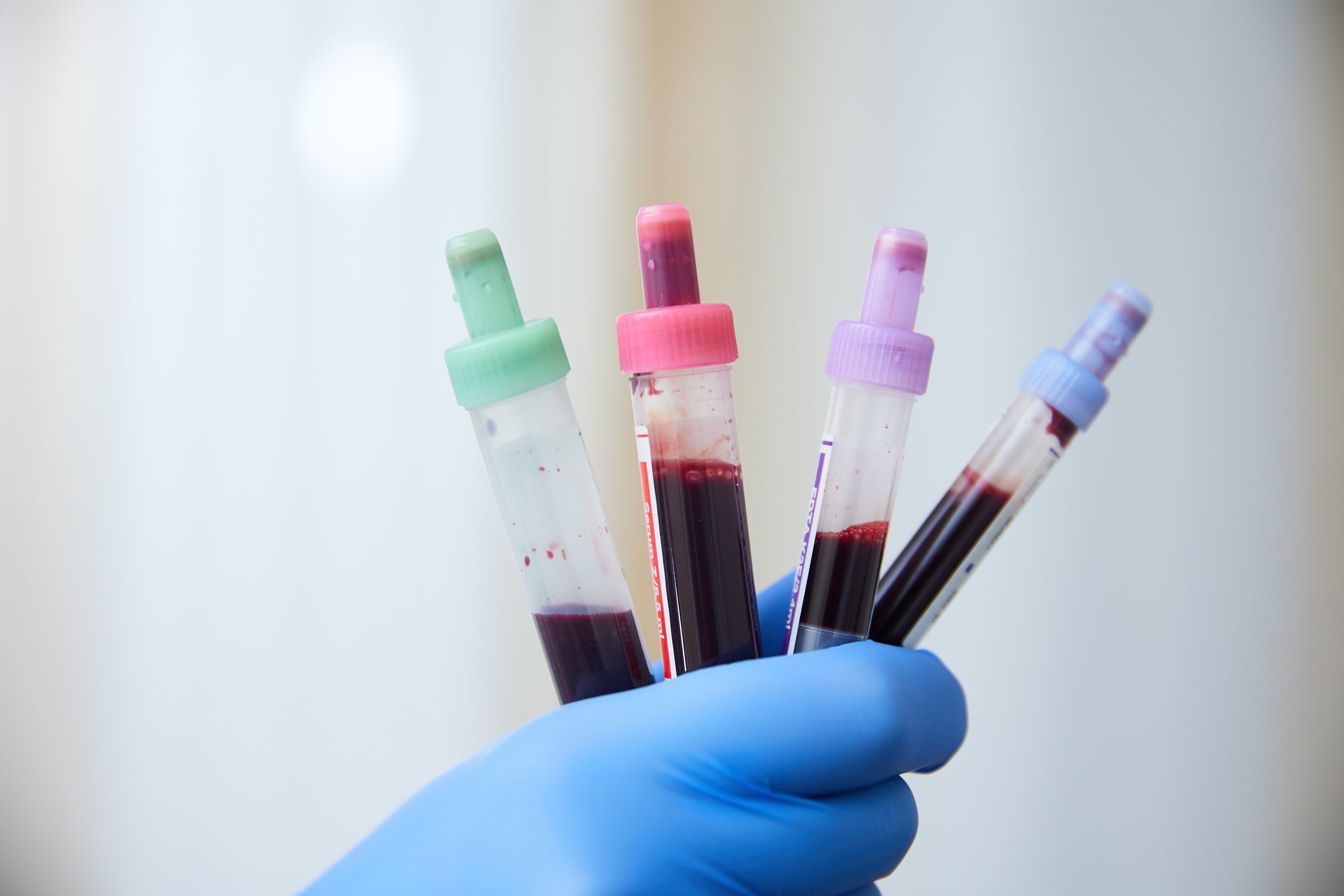
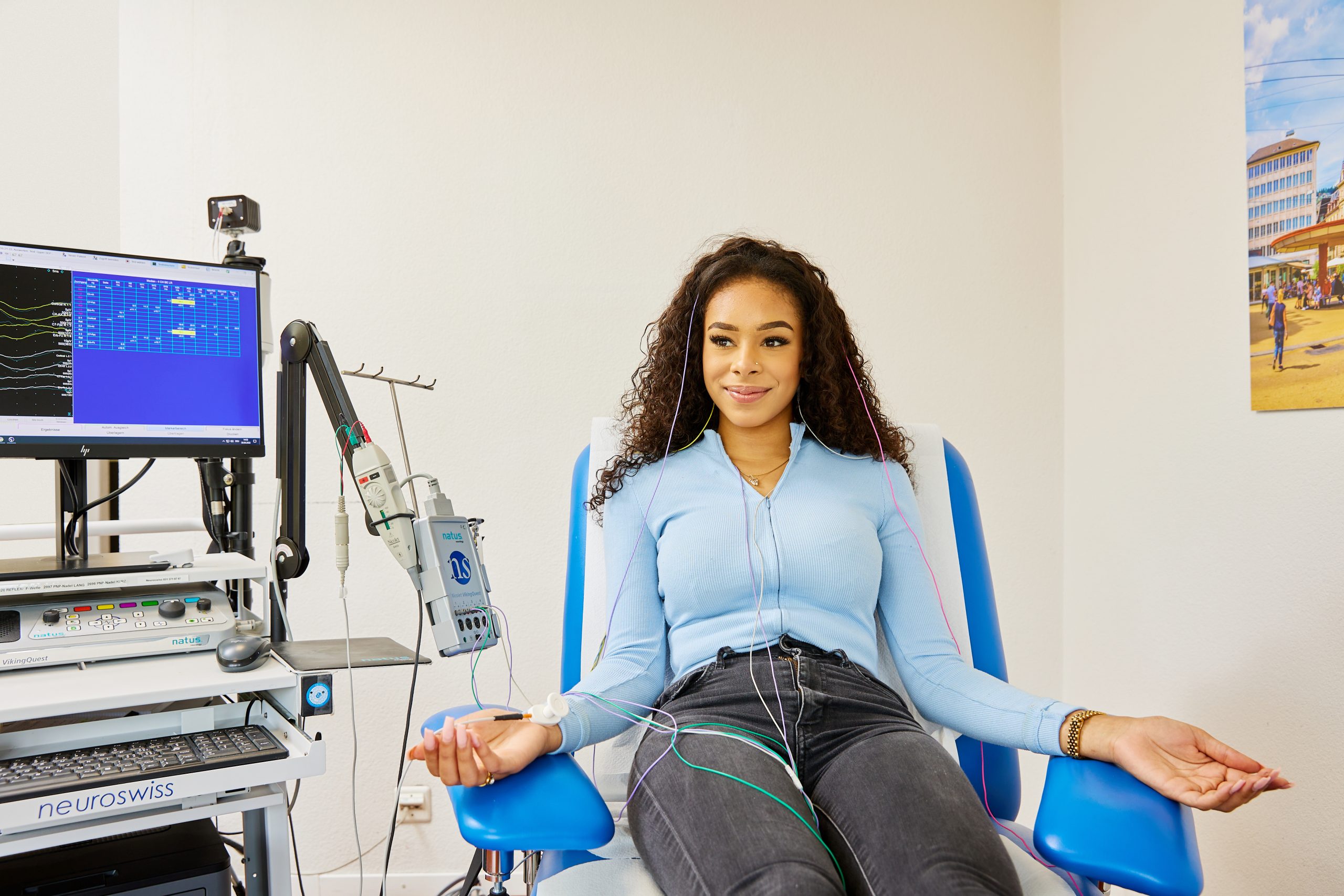
Laboratory analysis (including genetic testing from blood), electromyogram (EMG), tissue analysis after removal from muscle (muscle biopsy).
Treatment/progression
There is currently no drug treatment that cures muscular dystrophies. In Duchenne muscular dystrophy, a temporary increase in strength can be achieved by giving cortisone, creatine or anabolic steroids. The main focus is on measures such as physiotherapy to prevent deformations of the skeleton. Sometimes surgical measures are considered, to prevent hip joint or spinal deformities. Other diseases occurring at the same time, such as diseases affecting the heart muscle, are treated with appropriate specific therapies. In the special consultation Neuromuscular Diseases, patients are advised and supported with their disease.