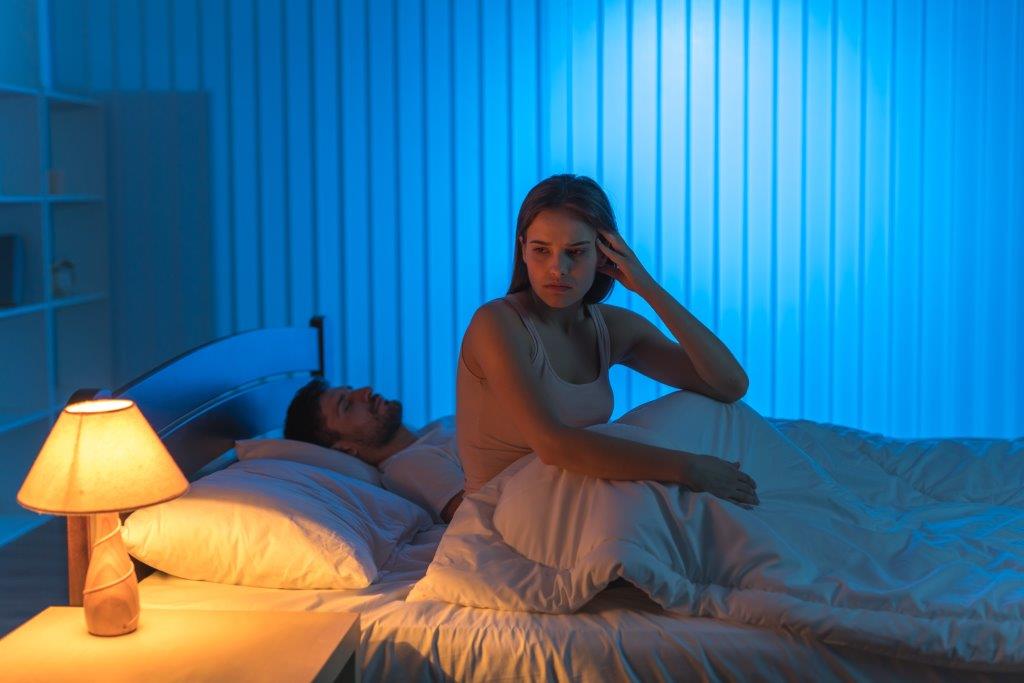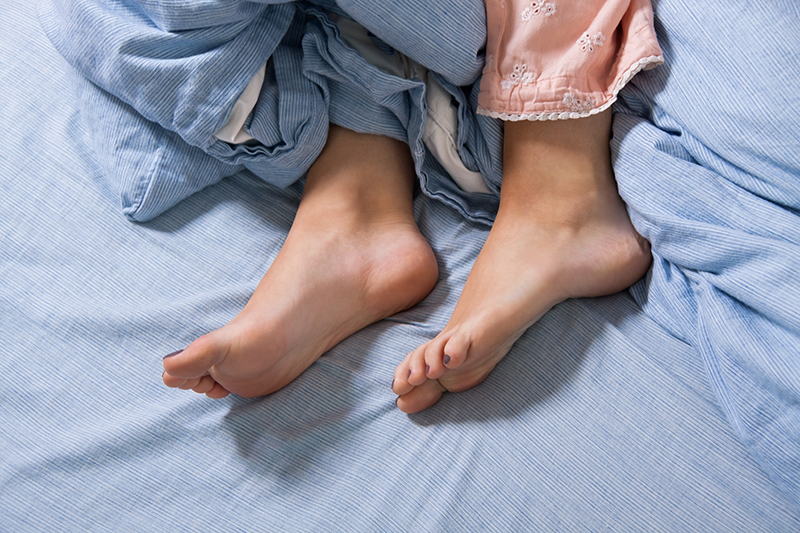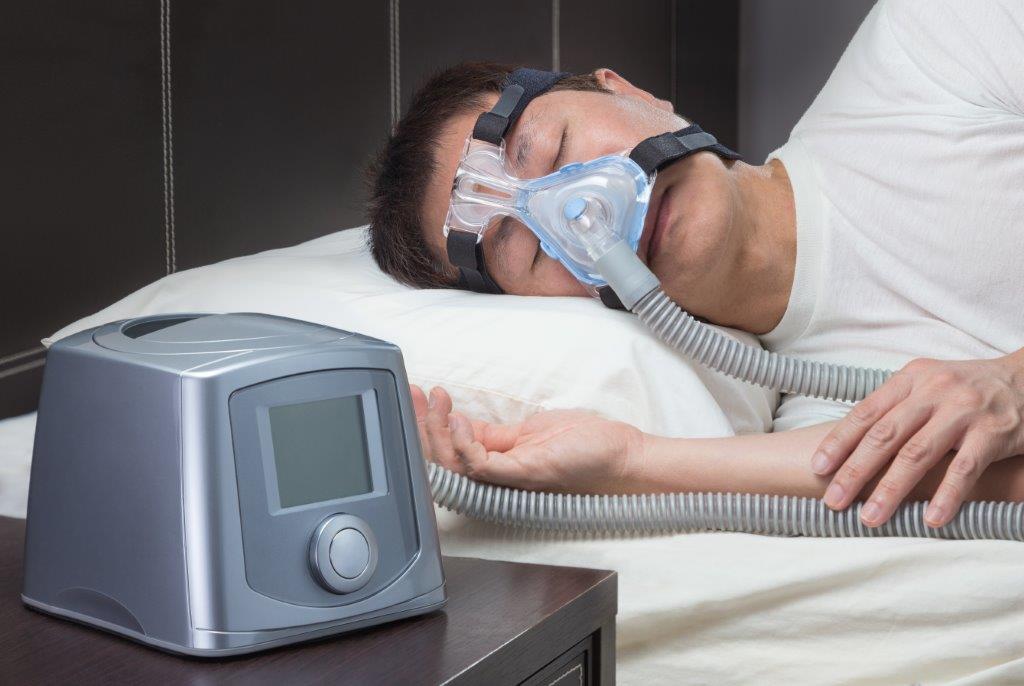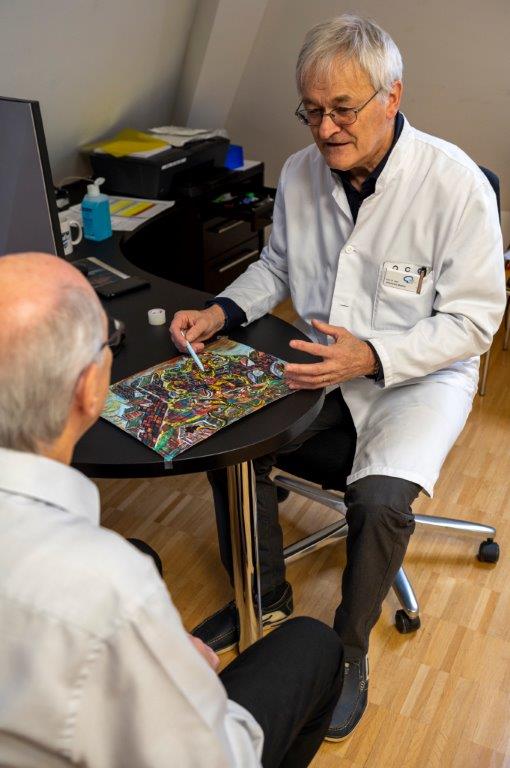
Patients with various sleep-wake disorders, such as insomnia, restless legs syndrome, sleep apnea syndrome, nocturnal muscle spasms, sleepwalking, but also narcolepsy or other causes of fatigue and sleepiness are examined and receive treatment and advice in this consultation. Often a follow-up examination in the sleep laboratory or an outpatient examination of sleep at home is necessary in order to better narrow down the type of sleep disorder or the effects of medication.
Most sleep-wake disorders can be successfully treated. Without treatment, those affected experience a poor quality of life and are at risk of professional failure or accidents at work or while driving. The measures and medications prescribed by the sleep physician will depend on the exact diagnosis. It is always important to provide advice on certain lifestyle adjustments, such as regular and adequate sleep, and the avoidance of unhelpful behaviors. Medications must be selected carefully and are sometimes combined. Therefore, treatment must be monitored and adjusted if necessary by a neurologist who is experienced in sleep medicine. Sleep-wake disorders often have to be treated on the basis of a multidisciplinary cooperation involving neurologists, pulmonologists or psychiatrists. In addition to drug therapy, psychotherapeutic and social care are often also important (contacts with schools, vocational counseling, driver’s license, problems with social insurance).
Contact with other sufferers in a peer support context can be valuable and helpful for many patients. Once again, your sleep physician can advise you and establish the necessary contacts.
However, sleep disorders also occur in many neurological diseases; for example, some epileptic seizures may only occur at night and are then not recognized as such. Sleep disorders can occur in Multiple Sclerosis, Parkinson’s Disease, muscle diseases and dementia.
After an initial consultation with a family doctor to discuss the sleep-wake disturbance, the cause often remains unexplained. In this case a sleep specialist should be consulted. It is wrong to simply treat insomnia with sleeping pills and fatigue with stimulants without clarifying the cause.
For an initial overview of the major sleep-wake disorders, the following questionnaires are particularly helpful:
In some cases a follow-up examination is required, either in a sleep laboratory or in the patient’s own bed at home, to determine the precise causes of a sleep-wake disorder or the effects of treatment. The sleep specialist can explain to the affected person in a clear and understandable way what to expect from this additional examination in the sleep laboratory. In rare cases, special blood tests have to be arranged which may not have been done by the general practitioner.