Symptoms
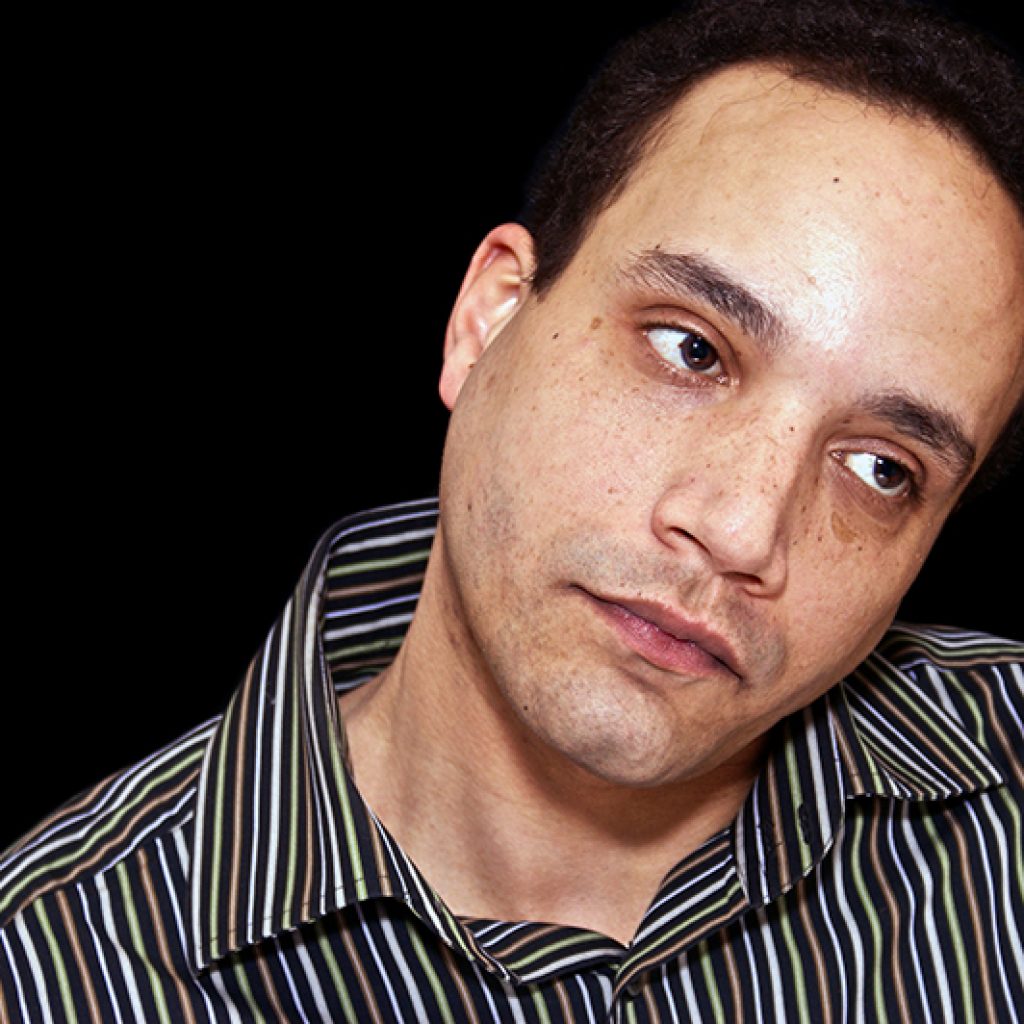
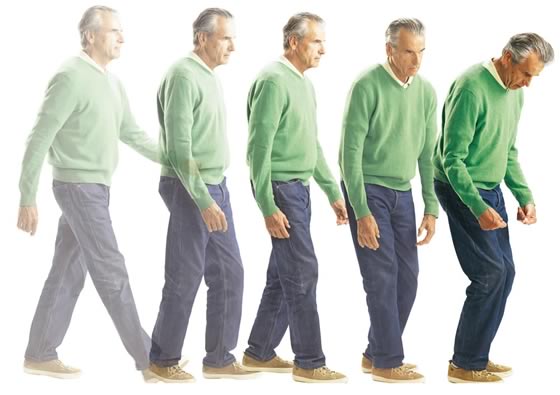
Dystonia is characterized by persistent muscle spasms or contractions that result in contorted, repetitive movements or abnormal postures. Sometimes this is also associated with trembling/shaking/shivering or pain resulting from abnormal postures. Dystonia has many manifestations. Depending on which of the main muscle groups are affected, the following types are recognized:
- Cervical dystonia (torticollis)
- Blepharospasm (eyelid spasm)
- Action-specific dystonia, which occurs during certain actions, for example, writer’s spasm, musician’s spasm
- Spasmodic dysphonia (vocal cord spasm)
- Oromandibular dystonia (mouth, tongue, or gullet spasm)
Complaints/Symptoms



Causes
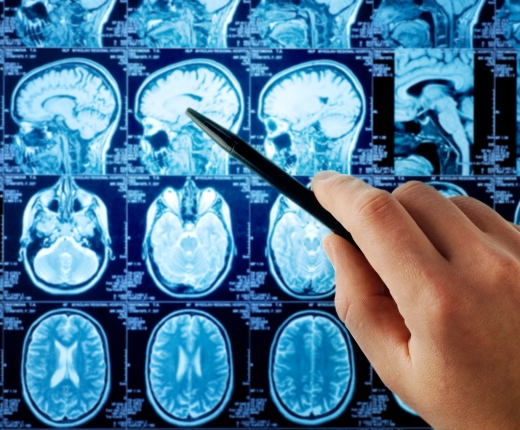
Dystonia involves a malfunction in the control of movements that originates in the brain and cannot be influenced voluntarily. It is now classified among the group of movement disorders. The cause of dystonia is currently still unclear. The dystonia genes discovered in recent years have a role in only a few cases and very rare subtypes. For the majority of dystonias whose cause is not yet known, a combination of genetic and external influences, for example the use of certain medications such as neuroleptics, is assumed.
What we can offer



Treatment/progression
The gold standard of treatment is botulinum toxin injections into precisely those muscles that are being excessively activated by the brain. These injections are given during the special botulinum toxin treatment clinic.