Symptoms
- Stiffening of the muscles (“rigidity”)
- General slowing of movements (“akinesia”)
- Shaking (“tremor”)
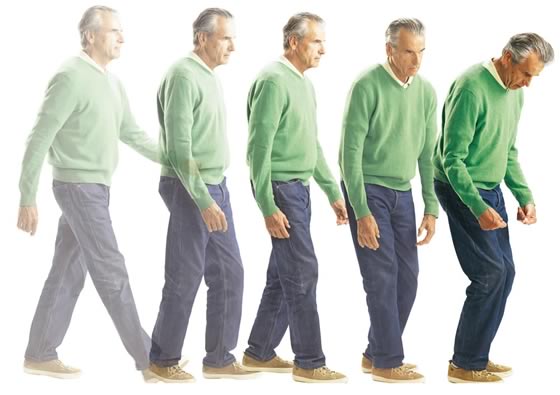
- Gait unsteadiness or balance disturbance
In addition, there may be difficulty speaking (soft, monotone, hoarse voice), problems with writing, an unsteady gait, loss of sense of smell and taste, bladder problems, constipation, clumsiness of hands, or a depressed mood. As the disease progresses, memory problems or muscle spasms may also occur. The course and severity of the disease vary greatly from patient to patient, and hardly any patients display all the symptoms described at the same time.
Symptoms
Causes
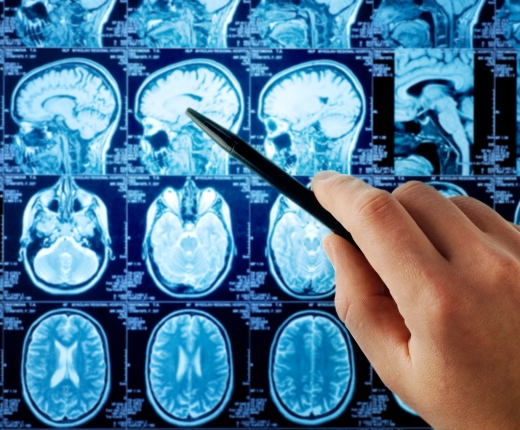
Parkinson’s disease is a continuously progressive neurological disorder in which the cells of the so-called substantia nigra, the “black brain substance,” slowly degenerate, and subsequently other brain cells as well. This results in a deficiency of the neurotransmitter dopamine, which in turn manifests itself in the typical symptoms of the disease. The exact cause of the disease has not yet been clarified. There are probably several causative factors that interact in the development of Parkinson’s disease. Parkinson’s disease is hereditary in a few cases. Today, it is assumed that the interaction of several hereditary factors can make some people more susceptible to Parkinson’s disease.
What we can offer
Treatment/progression
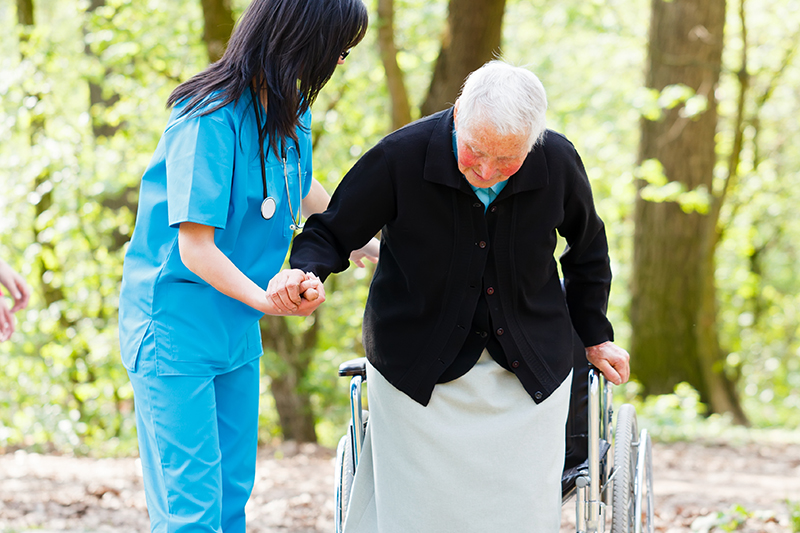
Starting treatment as early as possible can positively influence the overall course of the disease. This can offer benefits in terms of years of life and quality of life. At present, Parkinson’s disease cannot be cured, but the symptoms can at least be significantly alleviated. Drug treatment focuses on compensating for the lack of dopamine in the brain. The following substances are mainly used: L-dopa, dopamine agonists, COMT inhibitors, amantadine, MAO-B inhibitors and anticholinergics. In the majority of patients, an individually tailored medication regimen can lead to a significant improvement in symptoms, and sometimes to almost complete remission in the first few years. All the medications have contraindications, and they also cannot be combined randomly. Treatment must therefore be monitored by an experienced neurologist, for example in our special consultation for Parkinson’s Disease and movement disorders. Later in the course of the disease, a regular visit to the specialist to adjust the medication to current needs is useful and necessary. The neurologist is also the person to speak to about identifying the best time for the possible use of procedures other than medication, such as surgery (“deep brain stimulation”). In addition to psychosocial care, physical and occupational therapy also play a central role in the treatment of Parkinson’s disease. These can make a decisive contribution in terms of coping with everyday life despite the various disabilities that exist.