Symptoms
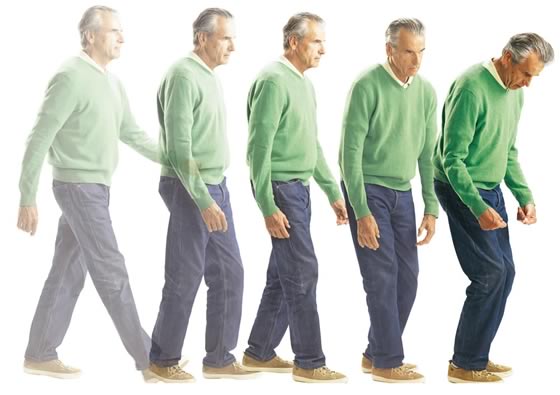
Paraplegia is a specific form of paralysis that occurs due to complete or partial damage to the cross-section of the spinal cord – the spinal cord tracts to and from the body are thus completely or partially interrupted. A distinction is made between different forms of paraplegia: in paraplegia, depending on the location of the spinal cord injury, there is weakness of the trunk and leg muscles and loss of sensation to touch, pain or temperature. In addition, bowel, bladder function and sexual function are impaired. Tetraplegia additionally involves weakness in the arms. Damage to the upper part of the cervical spinal cord often also leads to impaired breathing. Spasticity often occurs in connection with paraplegia. The level of muscle tension is then increased and sometimes spasms (similar to cramps) occur. In the case of slowly developing spinal cord diseases, sensory disturbances usually occur first, walking becomes more unsteady (see also gait instability) and there is leg weakness.
Symptoms
Causes
Accidents involving injury to the spinal column can be responsible for this, as can specific diseases of the spinal cord or tumors that press on the spinal cord. Spinal cord disorders include transverse myelitis, a form of spinal cord inflammation. Spinal cord disorders can also be triggered by inflammatory changes in the context of multiple sclerosis, or by circulatory disorders, for example in the case of vascular malformations in the spinal cord.
What we can offer
Treatment/progression
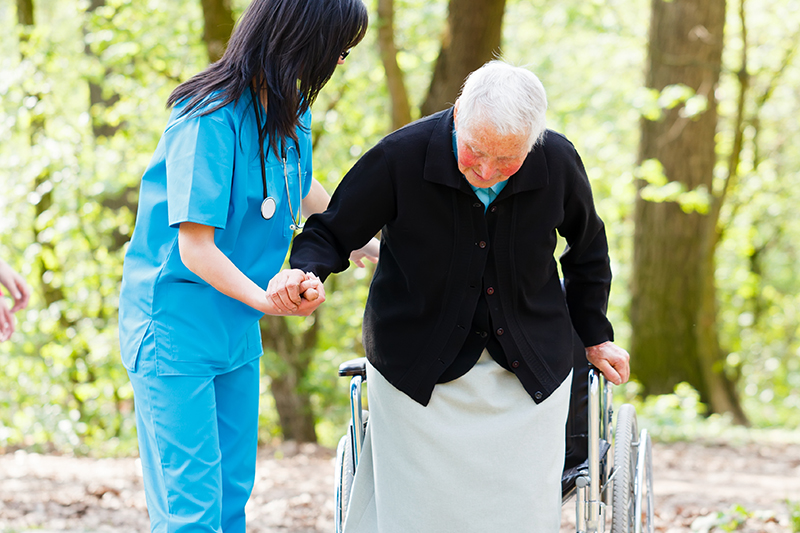
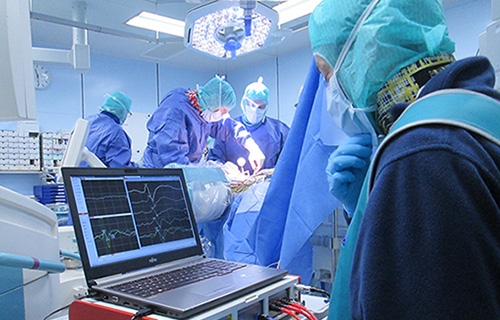
After an accident resulting in suspected paraplegia, affected persons are immediately taken to a hospital. Often, surgery is immediately required to relieve pressure on the spinal cord. This is often followed by specialized follow-up treatment, in which care is taken to prevent or treat immediate damage or diseases resulting from the injury. These are mainly circulatory instability and thromboses, pneumonia, urinary tract infections, intestinal obstruction, joint stiffness, muscular atrophy, osteoporosis or accompanying psychological symptoms such as depression. Rehabilitation treatment then begins, with the goal of maintaining or regaining as many functions as possible. In the case of gradual onset of paralysis due to a disease of the spinal cord (e.g., multiple sclerosis, where additional inflammatory lesions also develop in the brain), the treatment depends on the cause that is found. Here, the main goal is to slow down or stop the progression of the disease and to maintain independence.