Symptoms
Neuroborreliosis can produce many neurological complaints and is therefore too often blamed where there are unclear chronic symptoms. However, typical complaints are:
- Shooting pain down the arm or leg into the area supplied by the affected nerve root. In contrast to a herniated disc, which can present similar symptoms, in neuroborreliosis pain first occurs in the arm or leg where a tick bite has occurred. The pain may also migrate later. There is also a nocturnal accentuation of pain.
- (Bilateral) isolated facial paralysis
- Double vision
- Sometimes accompanying mild headache due to a rather harmless appearing accompanying inflammation of the meninges
Symptoms




Causes
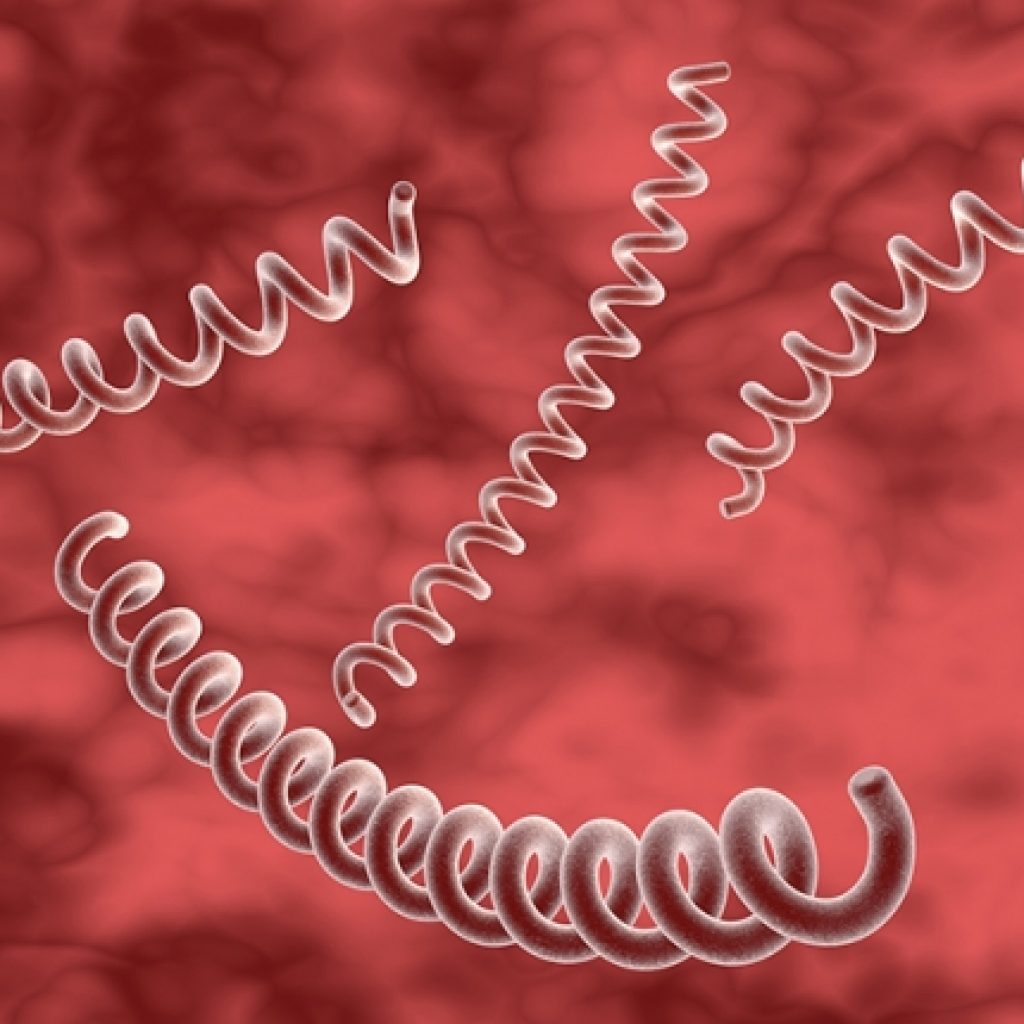
The cause is an infection with bacteria-like pathogens that are transmitted via a tick bite. In the first stage of Lyme disease, there is usually a local skin infection around the tick bite, which is characterized by a spread of redness up to the size of a hand. The edge is sometimes more intensely colored, giving the skin infection a ring-shaped appearance. Only weeks later, a migration of the Borrelia bacteria into the nervous system may lead to neuroborreliosis (Lyme disease stage 2).
If the body comes into contact with Borrelia, the immune system produces specific defense substances, the so-called antibodies. Blood tests that detect acute Borrelia antibodies (“IgM”) or chronic Borrrelia antibodies (“IgG”) very often show false positive results. Unfortunately, what is confusing is that the tests also give false positive results for many viral diseases. In addition, there are often individuals with positive blood tests who probably had a one-time contact with Borrelia (even unknowingly), but never develop neuroborreliosis. These circumstances lead to high levels of uncertainty among patients, but also physicians. This is especially true if the patient’s symptoms are not specific (see above under symptoms). In case of non-specific symptoms, other diseases should be considered in the first place (depressive disorder, functional disorder, other internal chronic diseases, chronic infection of other cause, chronic alcohol and drug abuse).
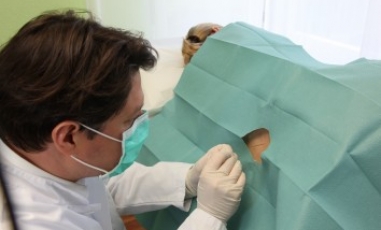
The diagnosis of neuroborreliosis can only be confirmed by examination of the cerebrospinal fluid (lumbar puncture and cerebrospinal fluid analysis), which flows around the brain and spinal cord.
What we can offer


Treatment/progression
Lyme disease, like early summer meningoencephalitis (TBE), is transmitted by tick bites. Therefore, the two are often confused by medical laypersons. In both diseases not every tick is infected with the pathogens even in contaminated areas. In addition, even if infection with one of the two pathogens occurs, the illness is fortunately still often benign. These are often accompanied by only mild symptoms (similar to the flu).
For the treatment of neuroborreliosis, special antibiotics are used, which in many cases must be administered as an infusion.
In contrast to neuroborreliosis, the cause of early summer meningoencephalitis (FSME), which is triggered by viruses, cannot be treated. This disease, which is unfortunately sometimes fatal, can only be prevented by preventive vaccination.