Symptoms
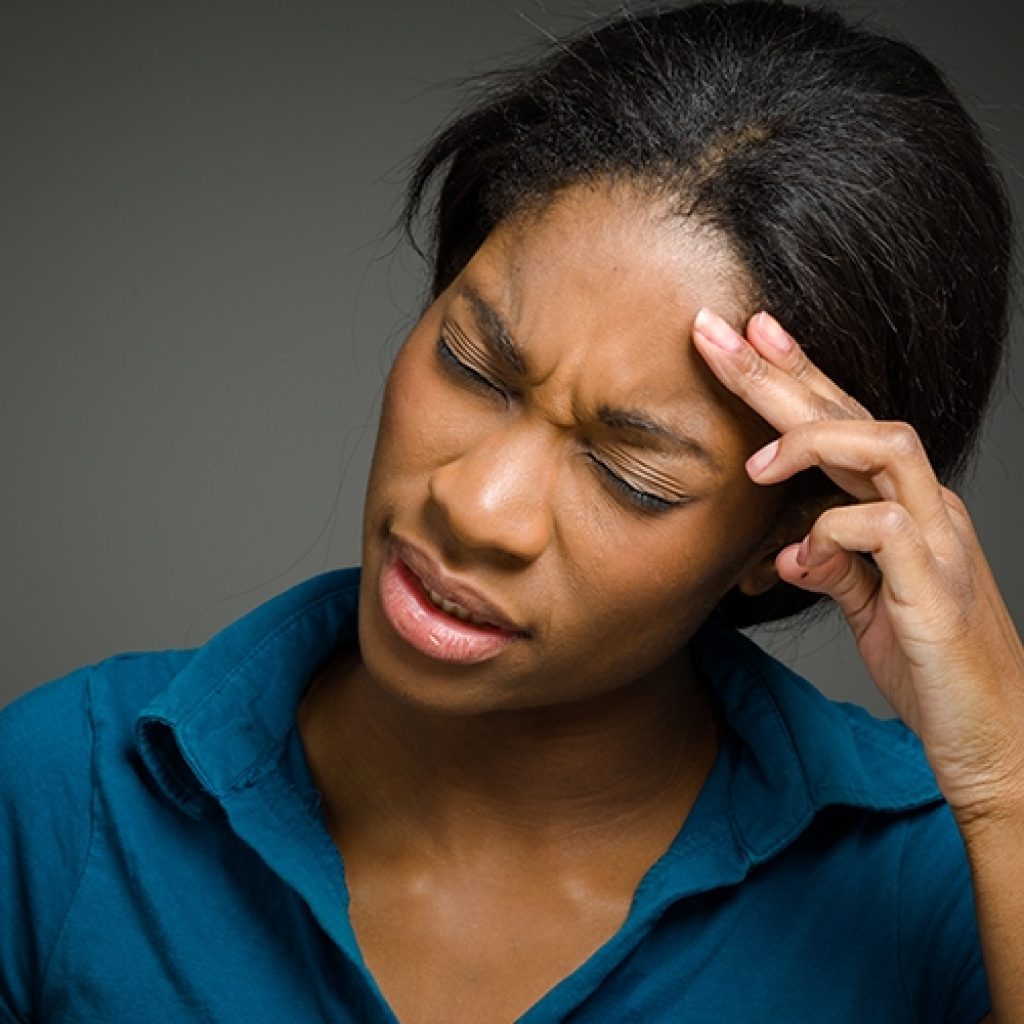
Migraine, like tension headache, is a very common form of primary headache. The frequency of migraine attacks can vary: There may be three to four pain attacks a year or even fewer, but there can be as many as two to three per week. Migraines can manifest as headaches on one side, or on both sides: these may be throbbing, pounding, pulsating, pulling or stabbing. Common accompanying symptoms are nausea, vomiting and sensitivity to light and sound. The pain increases with physical exertion and may last several hours or several days. Sometimes migraine begins with visual disturbances as a warning sign even before the headache occurs. The phenomena are usually described as flickering, black or white dots, or jagged patterns. In the so-called migraine “with aura”, the headache is accompanied by neurological deficits, such as the aforementioned visual disturbances. In particularly severe cases, there may even be speech disorders, numbness or arm or leg weakness (“complicated migraine”, “accompanied migraine”, “hemiplegic migraine”).
Symptoms



Causes
The cause of migraine is not completely understood. Presumably, a combination of hereditary factors, changing reactions in blood vessel walls and blood flow to the brain, inflammation in the area surrounding blood vessels in the head, and disturbances in chemical messengers (“neurotransmitters”) in the brain are responsible for its development. Many sufferers report certain triggers: Glaring lights, strong noise, individual foods such as chocolate, red wine, certain types of cheese, the flavor enhancer glutamate, but also weather influences, saunas, hormonal fluctuations, contraceptive pills, overtiredness, stress or times of reduced stress. When investigating triggers, the strongest indications are hormonal fluctuations (menstrual cycle).
Our offers
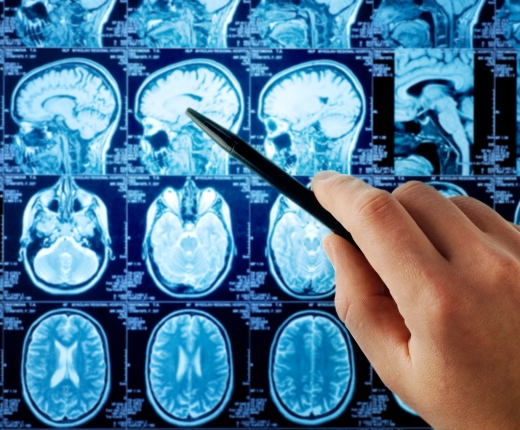

To rule out secondary headache, an MRI examination is usually performed with each new onset of headache.
Treatment/progression
The forms of treatment presented below are for information purposes. They are not exhaustive and are in no way intended for self-treatment. They are intended to serve as a guide during the special headache consultation. Migraine is easily treated with medication. The simplest and most widely used analgesic is acetylsalicylic acid (aspirin), but other pain medications are also effective. It is best to take a higher dose right away (e.g., 1000 mg of aspirin as an effervescent tablet) and then when the headache begins. Waiting too long may reduce the effect on the full-onset headache. Some of the headache medications are available as effervescent tablets (absorbed into the blood more quickly) or as suppositories (if patients often vomit). In the event of a migraine attack, it may be advisable to take an anti-nausea and anti-vomiting medication (antiemetic) first. If the migraine attack cannot be controlled in this way, your neurologist/neurologist may prescribe migraine medications for the attack, such as triptans, which are available in form of tablet, injection or nasal spray. In the case of particularly persistent symptoms, modern migraine therapy can also play a role in preventing new attacks (“attack prophylaxis”). Beta-blockers, calcium channel blockers and various antiepileptic drugs are successfully used for this purpose.