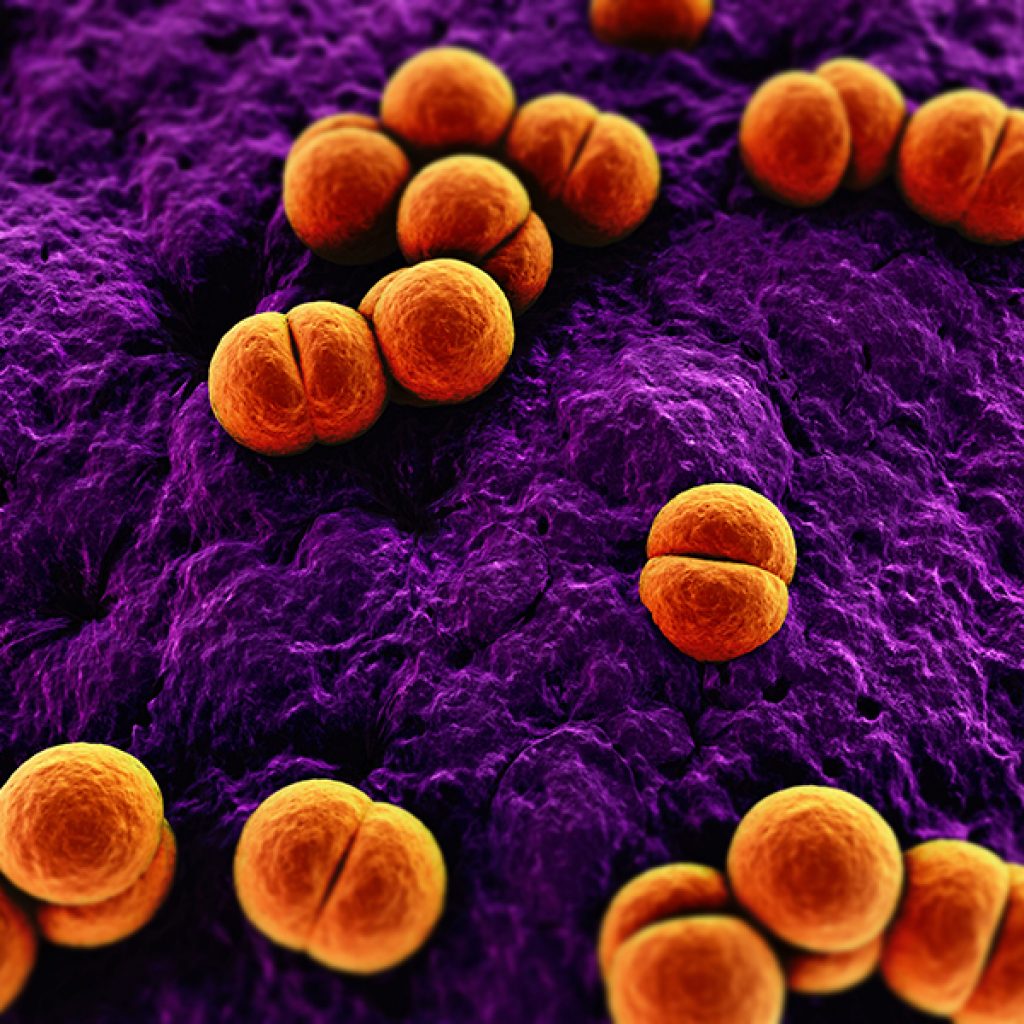
Symptoms
A neurologist or hospital should be consulted immediately if the following symptoms occur: headache, neck stiffness, joint and muscle pain, cramps, vomiting, sensitivity to light, dizziness, rapidly rising fever, chills – although the symptoms may occur individually or together. Subjectively, people affected have the feeling of being “seriously ill”. Typical in bacterial meningitis are also red, dot-like spots on the skin, which occur in about seventy percent of cases. The cause of such symptoms must be clarified and treated quickly in hospital – acute bacterial meningitis is a dangerous emergency!


Causes
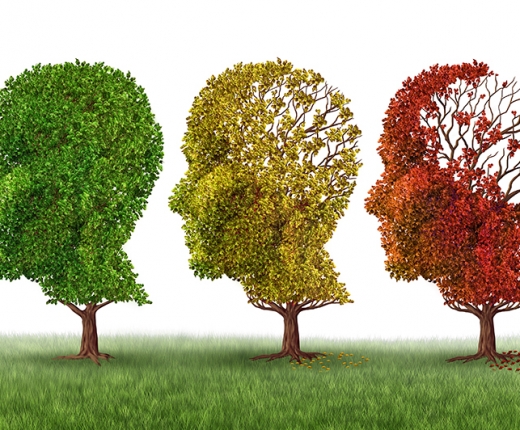
There are several factors that can lead to meningitis. The most common cause is infection by viruses or bacteria. In infectious meningitis, the pathogens are spread around the body through the blood. One consequence is inflammation of the meninges, which are very sensitive to pain. If the inflammation remains confined to the meninges, it is relatively harmless. However, if it spreads to the brain (encephalitis), it can be fatal.
Viral meningitis is relatively common, but it usually remains confined to the meninges and is then usually harmless. It can be triggered by various pathogens. The most important one is the tick-borne virus of early summer meningoencephalitis (FSME). (This should not be confused with the bacteria-like pathogen involved in neuroborreliosis, which is also transmitted by ticks.) This rarely causes major problems, but unfortunately, there are isolated deaths or cases involving severe permanent disability every year. These can be prevented by vaccination, especially in high-risk areas. The most common meningitis pathogens have been successfully suppressed by vaccination programs in large parts of Europe.
Treatment/progression
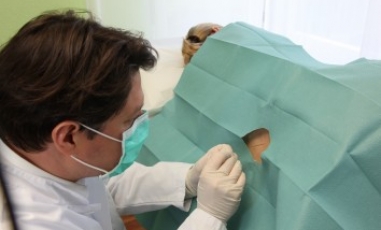
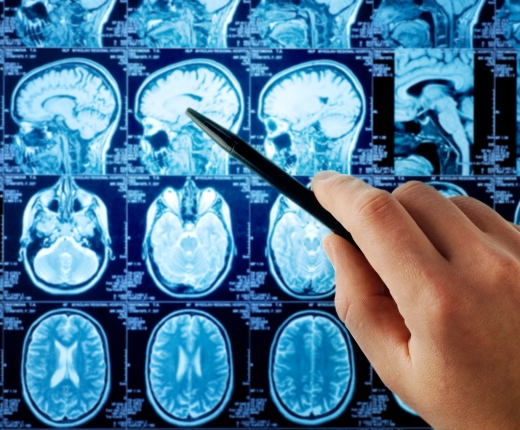
Acute treatment of meningitis is usually provided in hospital. In viral meningitis, usually only the symptoms (fever, headache) are relieved and it heals on its own. In the case of bacterial meningitis, rapid administration of antibiotics is necessary and this may be life-saving.