Symptoms
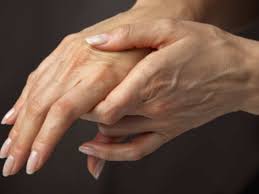
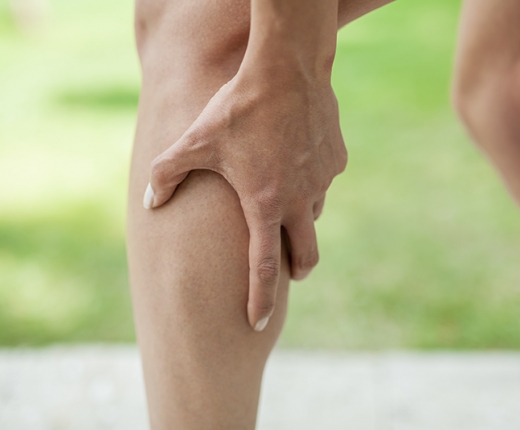
In most cases, a herniated disc causes extreme pain when the protruding part of the disc presses on the nerve root. In addition, mobility is severely restricted (“lumbago”). Many sufferers also experience sensory disturbance/numbness/abnormal sensations or even weakness in the arm or leg, which can lead to gait instability. In rare cases, bladder dysfunction or problems with bowel incontinence may also occur. This is always an emergency and always requires immediate treatment.
Symptoms



Causes
During the ageing process, but also when handling heavy loads or maintaining an incorrect posture, a herniated disc can occur, i.e. parts of the connective tissue material between the vertebral bodies protrude or prolapse. This causes the fibrous sheath that surrounds the gelatinous core of an intervertebral disc to tear. The gelatinous core then bulges or even comes right out. In reality, the disc usually becomes tilted backwards at an angle to the side and presses on a nerve root, which can be very painful. Fortunately, a straight “prolapse” backwards into the spinal canal is rare: this houses the spinal cord or portions of the nerve roots after they exit from the spinal cord. In such cases, paraplegia and bladder dysfunction may occur.
What we can offer

Treatment/progression
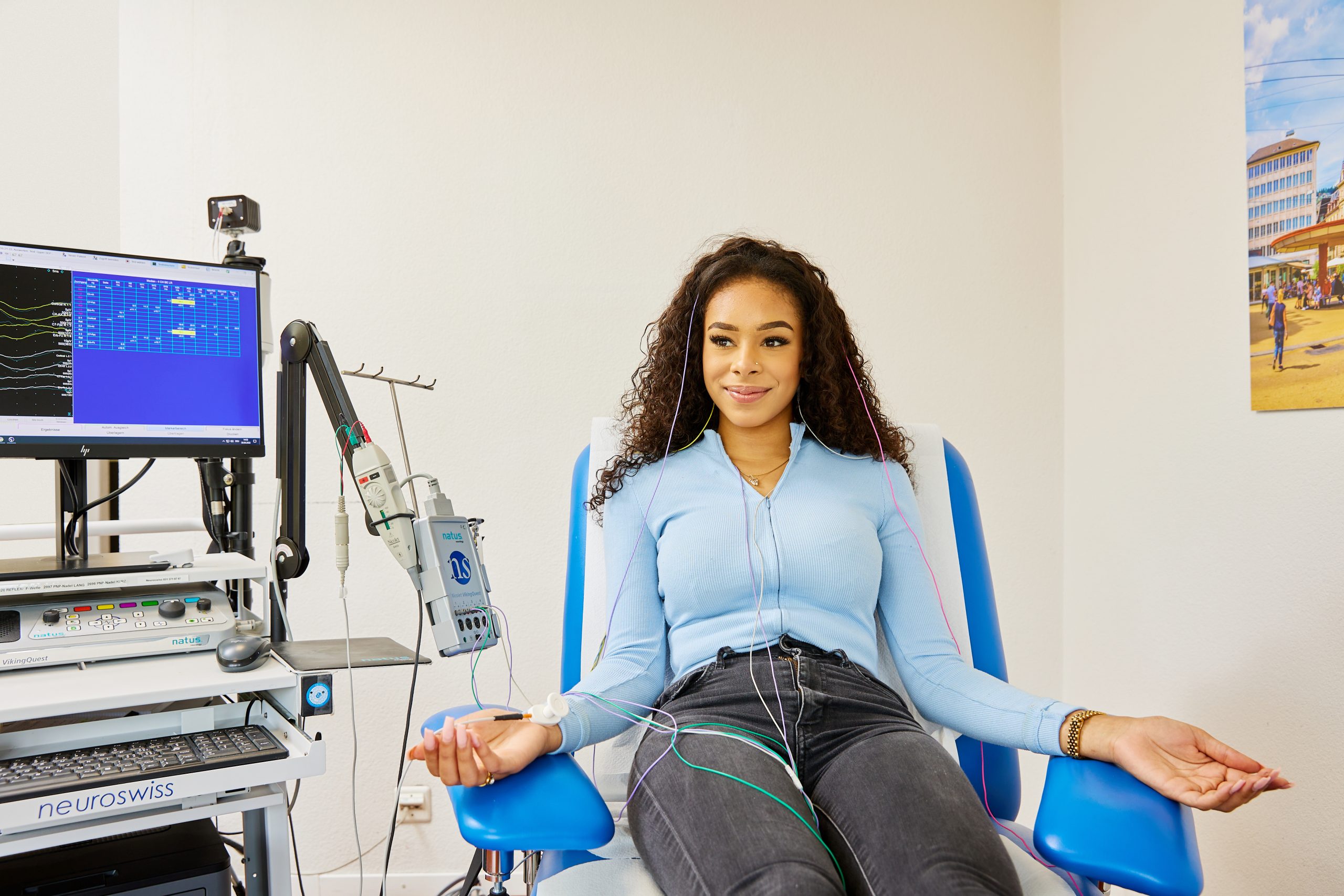
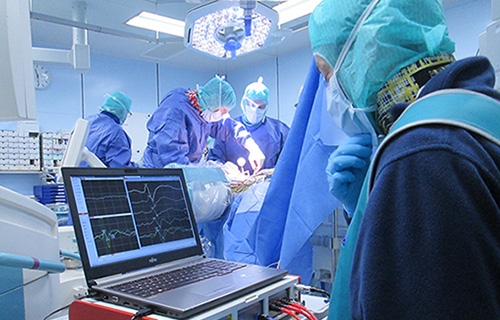
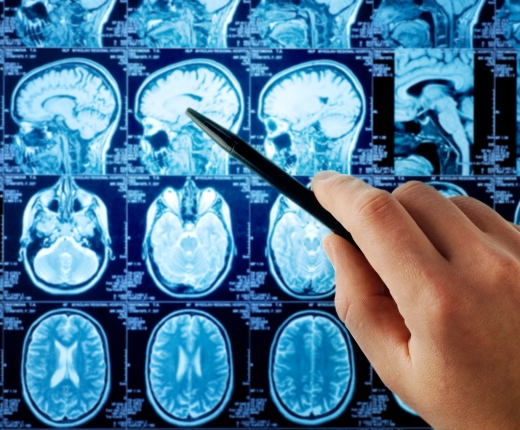
In principle, conservative approaches and surgical treatment can be considered for a herniated disc. Which therapy is appropriate and most favorable for you must always be decided individually. If there is pain but no sign of paralysis, the commonest initial approach is to wait and see whether the condition improves without surgery and whether the herniated disc recurs multiple times. In these cases, the primary goal will be first to relieve the pain with medication and physiotherapy. If a herniated disc presses on nerve roots or on the spinal cord to such an extent that there is more arm or leg weakness or bladder dysfunction, then surgical intervention is usually unavoidable. In that case the prolapse must be surgically removed as quickly as possible, although today, under certain circumstances and at certain stages of the disease, operations using gentler, minimally invasive methods are also possible.