The proportion of men who are snorers can be roughly equated with age. Among 50-year-old men, about 50% snore. In the case of women, half their age can be used in the calculation, and after adjusting for the number of men, this works out more or less correctly. Harmless snoring is not yet considered pathological, although the negative effect on the quality of sleep for the other person in the bed is well known.
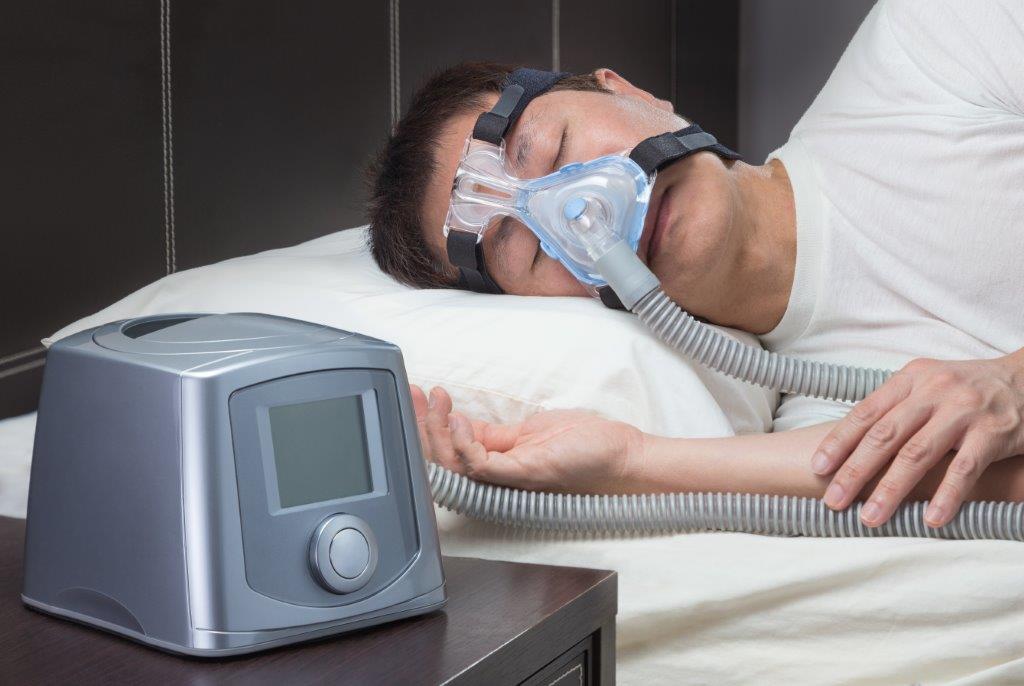
Long-term snoring leads to swollen mucous membranes in the airways, which impedes inhalation and sooner or later results in pauses in breathing and so-called sleep apnea syndrome. These patients often suffer from daytime sleepiness or concentration problems during the day. Pauses in breathing are accompanied by waking responses, in turn causing an acceleration in the pulse and an increase in blood pressure. Raised blood pressure, which can persist for years even during the day, is considered to be a risk factor for cardiovascular diseases (heart attack, atrial fibrillation, stroke). For this reason, patients with high blood pressure should always have investigations for sleep apnea syndrome, as treatment for this can also have a beneficial effect on blood pressure.
Sleep apnea syndrome occurs primarily, but not exclusively, in overweight individuals and with increasing age. This disease is relatively treatable, so other neurological diseases such as narcolepsy, dementia, epilepsy or multiple sclerosis should also be considered when symptoms of this type are reported.