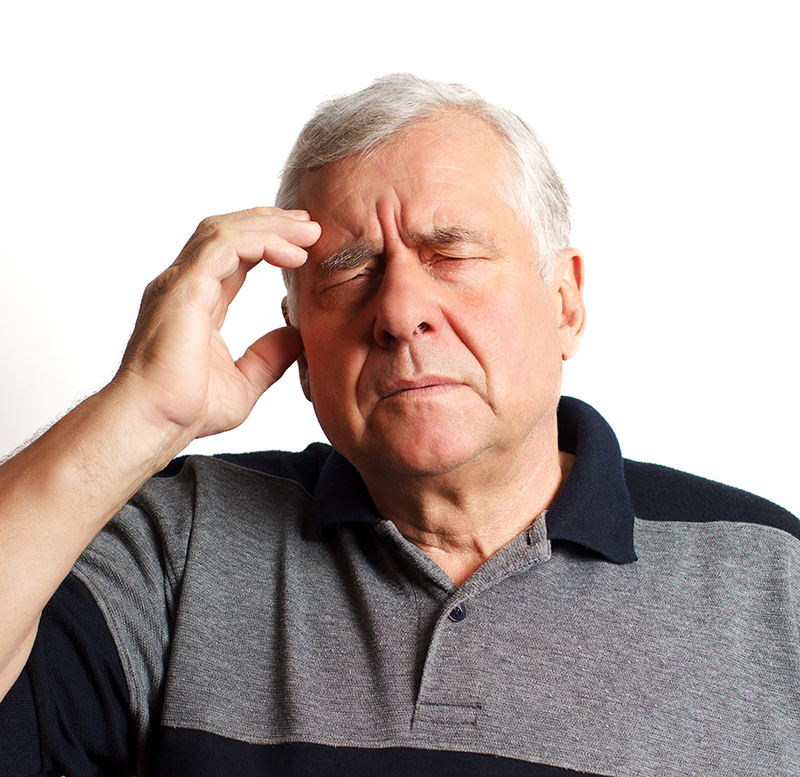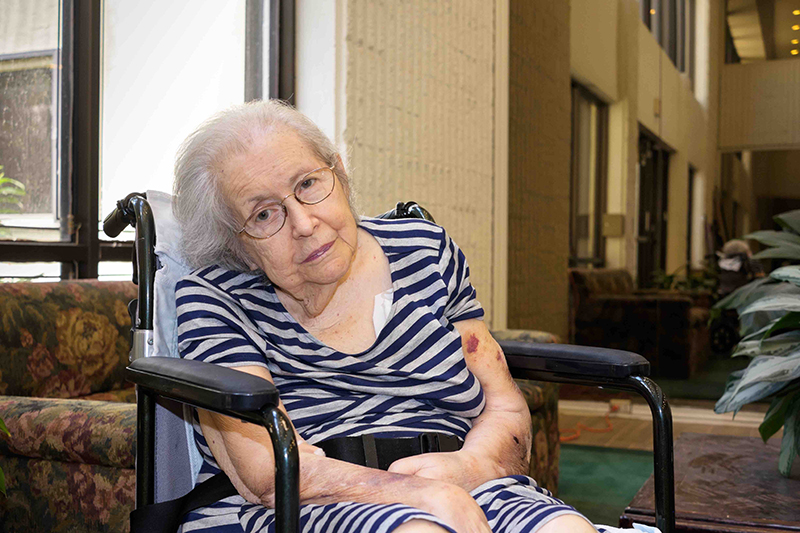
Forgetting is not only a negative phenomenon, but an absolutely necessary brain function. It is a repressive mechanism that provides protection against stimulus overload. Memory only works if we can also forget certain things. In old age, in addition to many other processes, the storage and retrieval of memory content becomes slower. This is completely normal. Moreover, forgetfulness is not a question of age; even young people are let down by their memory from time to time. The causes can be manifold. Most people forget names or appointments from time to time. However, if these incidents accumulate and inexplicable states of confusion also occur, forgetfulness can be a sign of a reduced memory performance.
Possible causes, possible indications of diseases
One possible cause of reduced memory performance is the natural aging process, in which the transmission of information from cell to cell becomes slower, responsiveness decreases and retentiveness declines. A lack of blood flow to the brain, for example in the case of arteriosclerosis, can also impair memory performance, as can persistent alcohol misuse or depression and anxiety disorders.
However, it can also be a sign of dementia. It is usually considered a symptom of dementia when memory performance is altered for longer than six months and can be observed by third parties. Not simply when forgetting “little things” like a password, an appointment or a purchase.
Alzheimer’s disease can occur in isolated cases even before the age of 50, but its frequency increases significantly with age. Especially in older people, the first signs of Alzheimer’s are often mistaken for the much more harmless age-related forgetfulness or slowing down.
Mild craniocerebral injury (concussion) is one of the most common neurological disorders of all. Possible consequences that may continue to affect patients long after a traumatic brain injury include memory problems.
Warning signs that it is more than “harmless” forgetfulness may include:
- You forget names and appointments frequently, not just occasionally.
- You have difficulty with activities you are used to
- You can no longer remember frequently used words.
- You have had the feeling that you no longer know where you are, even in familiar places.
- You suffer from abrupt mood swings for which you cannot think of a cause.