Symptoms
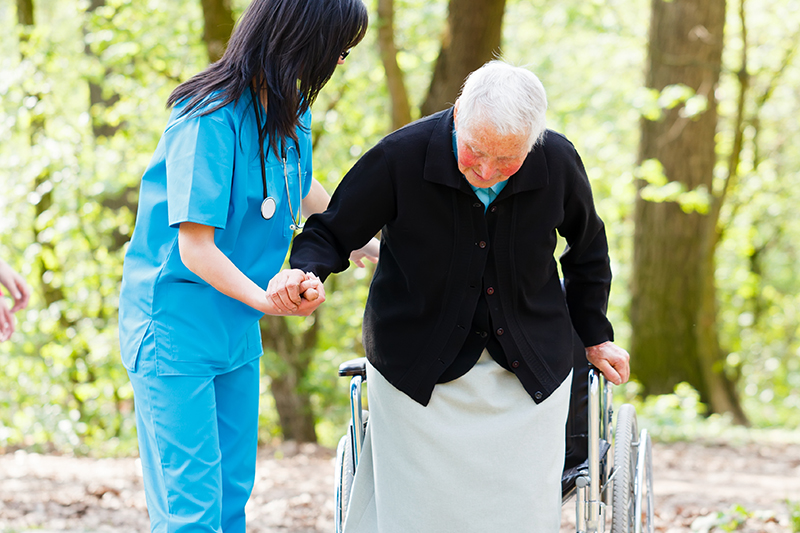
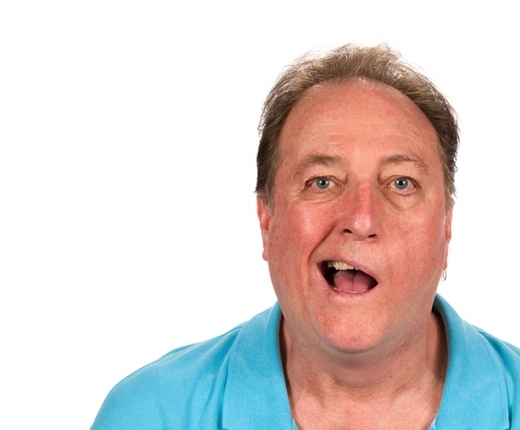
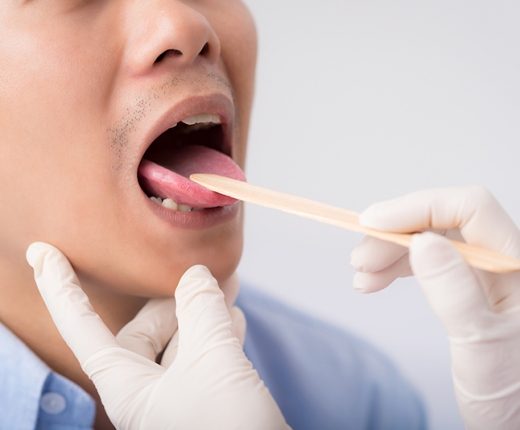
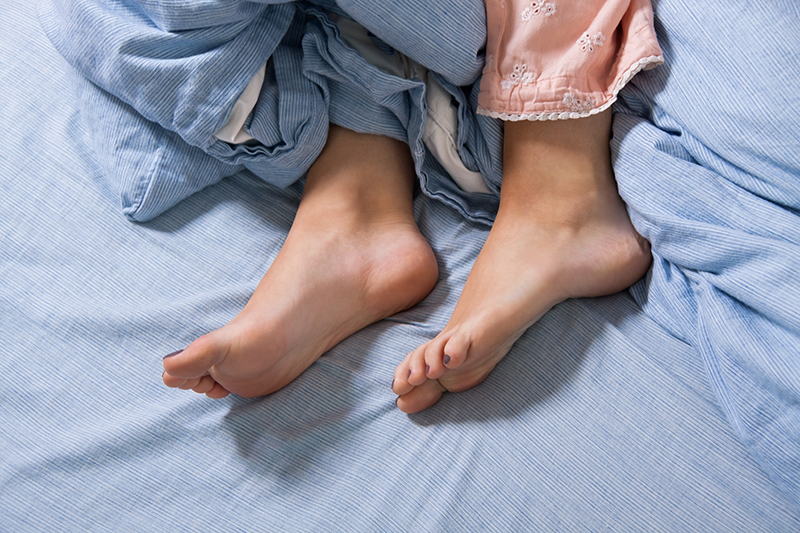
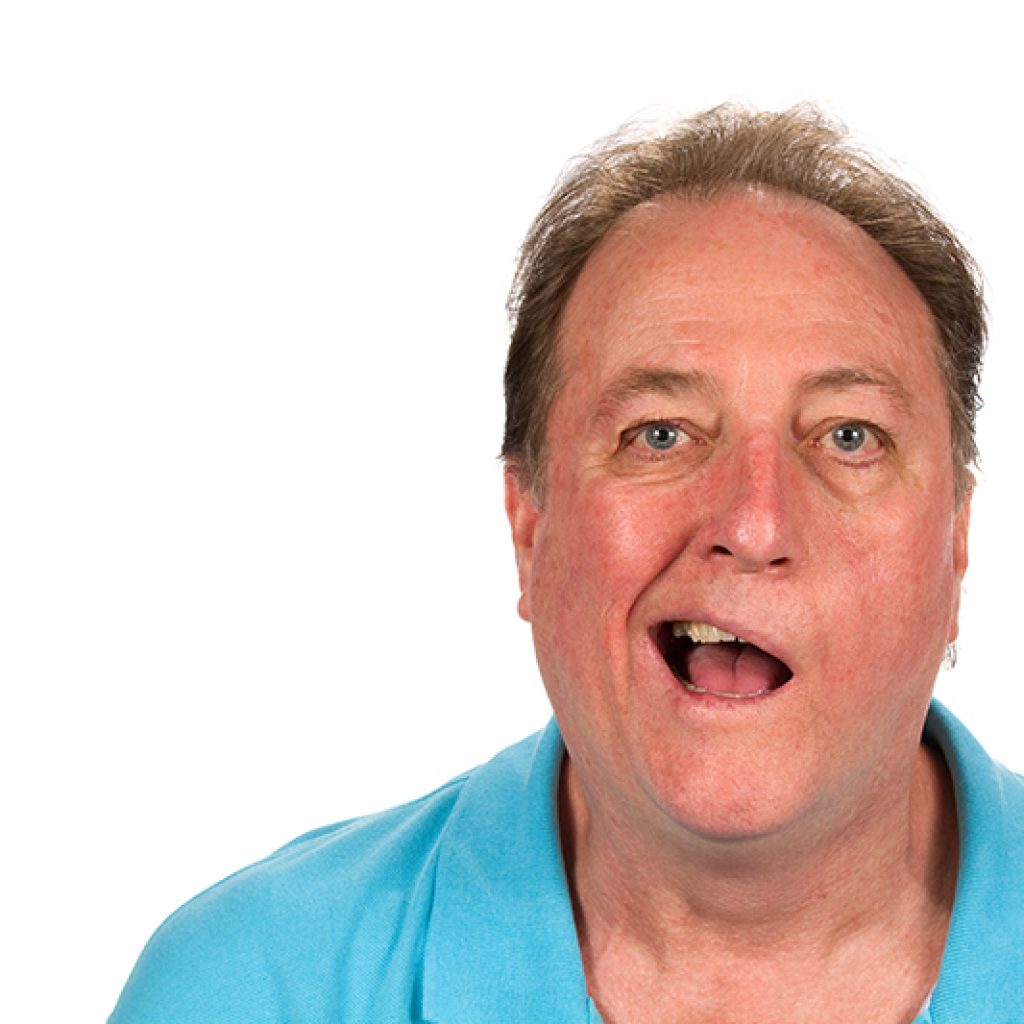
A stroke often manifests itself in a sudden onset of hemiplegic arm or leg weakness, speech, language or swallowing disorders, or a sudden drooping of the corners of the mouth. Sudden sensory disturbances, visual field loss, double vision, balance disturbances (often non-specifically perceived as dizziness) or impaired consciousness can also occur either alone or in combination with the other symptoms, depending on which functions of the brain are affected by the stroke.
Stroke=Emergency!
If you experience any of the warning signs listed above, call the emergency hotline immediately.
Symptoms
Causes
Stroke is a sudden loss of certain functions of the brain. In a large majority of cases, the cause is the sudden blockage of a cerebral artery by a blood clot. As a result, a region of the brain can no longer be supplied with oxygen, initially cannot maintain its function and subsequently dies. Another possible cause of strokes is cerebral hemorrhage. This occurs when a cerebral artery bursts, allowing blood to flow into the brain and press on or destroy nerve cells.
In many cases, several of these symptoms occur as warning signs before a stroke. These are often not taken seriously, as they may last only seconds or minutes in a milder form. Nevertheless, it is very important to have the cause assessed by a specialist immediately, as there is a risk of a severe secondary stroke, especially in the first few days. In addition to hereditary factors, which do not play a major role in the tendency to have a stroke, risk factors such as smoking, high blood pressure, diabetes and lack of exercise are also responsible for the development of a stroke, just as in the case of heart attacks.
Treatment/progression
The cause of these symptoms must be identified and treated quickly in the hospital – a stroke is an emergency that requires immediate medical attention. The first few hours are particularly crucial in any form of stroke. By acting quickly, brain cells can be saved from dying and the mental and physical consequences of the stroke can thus be limited or avoided. To restore blood flow to the brain, patients receive oxygen and drug infusions in the hospital. In special cases, it is possible to dissolve the blood clots (“lysis”). To keep long-term damage to a minimum, a well-coordinated team of doctors, experienced nurses and therapists care for stroke patients around the clock in special stroke units. Afterwards, many patients receive medication to slow down blood clotting (e.g. aspirin, Marcoumar or others, depending on the cause) in order to prevent a further stroke. Patients who have had a stroke often need longer-term neurological rehabilitation treatment after their acute treatment if damage has not been prevented. They then have physiotherapy (physical therapy), speech therapy or occupational therapy to learn to restore the lost functions. The earlier rehabilitation begins, the better. Whether long-term rehabilitation is needed depends on the extent of the damage. Long-term motor consequences of the stroke can be treated with your doctor in the special consultation for movement disorders.